
Sustained Work, Shared Leadership: Lessons from Iain McCorkindale and M3 Development Management
Near the end of our conversation, Iain McCorkindale told me about a question he had asked himself earlier this year:
“Am I redundant?”
It is an unusual question to hear from the founder of a company that has just marked ten years in business. M3 Development Management now has 36 people across five offices. Iain remains its largest shareholder, and the company has a new managing director, Nichola Sinclair-Foreman, as well as other leaders and employee shareholders helping shape its future.
He told me he has found more peace with his role since asking that question. Still, I kept thinking about it. Iain has spent much of his life wanting to lead, to move first, and to take responsibility when the mission is difficult. What happens when the people you have helped develop are ready to do more of that themselves?
I have come to know Iain through a forum of business leaders. He has a gift for seeing patterns across construction, sport, history, and the way people work together. Others seek out his perspective. When I asked him about his leadership journey, I wanted to understand where that perspective came from and how it had shaped M3.
His answer began long before he founded the company.
Where sustained work begins
Iain grew up in a close family and is proud of his origins in Glasgow, where he and his younger brother grew up with great parents who were very active in sports and community. His late father traced their family history through laborers, farmers, and craftspeople: generations of what Iain calls grafters. His grandparents, who had lived through the Second World War, helped give him an early appreciation for family, faith, and community. He remembers his grandmother as particularly strong, smart, and full of conviction.
He also remembers himself as a skateboarder, a rebel, an explorer, and someone willing to take risks. School did not initially hold his attention, so he entered a trade. His apprenticeship taught him to listen, respect people who knew more than he did, take pride in the work, and earn each new level of responsibility. He later returned to university, worked intensely, excelled through hard work (not smarts), and found the opportunity that brought him to Canada.
Those years in a craft and then in academic training shaped his expectations. Each stage demanded practice, proof of competence, and patience before he could move to the next. He learned to think of a meaningful goal as something built over years.
When I asked him to define the hard work that ran through each part of that story, he spoke about focus, effort, and the hours a person is prepared to put toward a mission. Then he made the distinction that stayed with me:
“Hard work is sustained work.”
For Iain, it is the effort required to face challenges repeatedly and carry the work forward over time. He knows that neither effort nor intelligence guarantees a result on any particular day. Instead, it increases the chances that difficult work will eventually produce the right result.
“I just always realized it would be a long journey, and it would take time.”
That expectation helped him stay with the work through mistakes, setbacks, and changing circumstances. He described progress as a series of careful steps, each one building on what the previous attempt taught him. His advice was to work with time and allow an aspiration to develop. When I hear his definition of hard work, I hear a demand for sustained attention and a willingness to let results mature.
The purpose behind the effort matters to him. He described serving a client, a project, a company, or a team as a privilege. That belief placed a demand on his own behaviour:
“You cannot ask somebody to do something that you would not do yourself.”
His apprenticeship had taught him to earn the right to take responsibility. It also taught him how much responsibility he owed to the people doing the work.
Learn the craft. Learn to lead people.
When Iain entered professional life, he noticed something that surprised him. People could rise through organizations because they were exceptionally good at their technical discipline, even while struggling to lead teams or drive change.
The phrase he heard was that someone was a “good practitioner.” He respected professional expertise. He also saw the problems created when organizations treated it as sufficient preparation for leadership.
That observation had force because he had worked on the shop floor himself. He understood why a development professional needed to respect the people building a project and bring judgment, coordination, and care to a complex team.
He described his own growth through a series of adjustments. Early in his career, he says he wore his heart on his sleeve and would speak plainly to almost anyone. He learned that different people sometimes required different approaches to reach the same objective. Mistakes, difficult personalities, and unexpected complications gradually expanded the number of pieces he could see on the chessboard.
The willingness to learn sits alongside a competitive streak:
“I’d be lying if I said I didn’t like to win.”
Iain wants to get buildings built and missions accomplished. He also wants to take care of the people involved. His leadership has developed through the work of holding those commitments together, adjusting his approach when the situation calls for it, and continuing to learn over years.
The DNA behind complex work
As he learned to lead people, Iain returned to examples from sport and military history. He was interested in what allows individuals to act together when the mission is demanding: shared standards, training, identity, and trust. He described the pieces he saw in those environments:
“There’s a culture, there’s an identity, there’s a mission, there’s a bigger purpose.”
He began to ask similar questions of organizations. What is the mission? What does the team believe in? Which behaviours earn respect? How do people respond when the plan changes or a difficult decision has to be made? Vision, values, strategy, and identity became additional pieces on the chessboard he was learning to see.
We also talked about the written and unwritten rules of a company. People learn its code through the way colleagues act, the standards leaders uphold, and the decisions they make under pressure. Those patterns tell a team how work gets done together.
This is a large part of why I wanted to interview Iain for Fourfold Leadership. Development and construction projects demand rigorous attention to costs, schedules, design, risk, and the work on site. Iain knows those demands from experience. He also pays close attention to the human system that helps a group of specialists coordinate around a purpose and deliver. That combination gives him an unusually salient perspective on the culture beneath a company’s visible results.
Years of groundwork before day one
By his late thirties, Iain had built a career serving other companies and clients. Founding M3 meant taking a calculated risk on his own judgment – “betting on himself.” He registered the company in October 2014, then took roughly eighteen months to prepare before it began operating in April 2016.
He wanted to handle his departure from existing relationships professionally and ethically, and to think carefully about the kind of company he was creating.
He launched during a severe downturn in Calgary’s energy economy. He thought the difficult conditions might also create opportunity: office space was more accessible, talent was available, and an entrepreneurial city could respond quickly to someone prepared to help. Relationships he had worked to build over years and decades began to generate projects almost immediately.
Then came a decision he laughs about now. Within three months of starting the business, he had planned six weeks in Scotland with his family. He expected the company to be quiet. Instead, it was already gaining momentum. He had seen an opportunity for time together with his wife and their sons, and had not fully calculated how quickly the work would arrive.
It is a revealing detail from the beginning. The risk was real. The preparation was deliberate. The timing still caught him by surprise.
The years that followed brought growth and harder decisions. Iain described having to fix parts of the business as it evolved. He speaks with gratitude about people who contributed at different stages, including those who have since left. Their work and the changes it prompted helped make M3 what it is today.
One of M3’s directors offered a phrase Iain has kept: “We’re a two-year startup in a ten-year company.” It captures the effect of years of foundational work followed by a more recent shift toward a leadership structure designed to last.
Give the next leaders a real plan to own
M3 now has employee shareholders, a new managing director cultivated from within, and leaders working across its offices and service lines. Iain remains involved, but he is clear about whose hands are on the business day to day:
“It’s their company.”
The strongest example he gave me was the team’s strategic plan. M3’s leaders developed a vision for the next stage of growth. Iain chose not to contribute to the plan as they wrote it.
“I wanted them to make it theirs, ’cause I trusted them.”
That trust has been earned through years of working together. He had seen enough of their judgment to believe they could produce a strong direction, and they did. He thinks their talent may carry M3 further than they currently imagine.
Iain’s decision gave the team responsibility for forming the direction and carrying it through. It also created room for a company whose next version will have its own leaders, capabilities, and ways of working.
He expects M3 to keep changing over the years. What he hopes will remain recognizable are its culture, identity, and codes of conduct. Giving other leaders genuine responsibility is one way those standards can travel with the company as it grows.
The daily work of stepping back
When I asked how his identity had changed, Iain described the difficulty plainly. For decades, his instincts helped him respond quickly, go directly at problems, and lead from the front. Now he has to catch himself before replying to the email, taking the call, or stepping into work someone else is equipped to lead.
He told me he has had to consciously fight the disposition to keep doing the things that got him here.
Philosophically, he finds that easier to accept. His purpose has always included serving teams and helping people grow. On an ordinary day, changing a practiced response is harder. He still has a role, and his colleagues know he is available. Increasingly, they bring him into specific situations where his experience can help them achieve a clear objective.
Iain calls this phase growing in: focusing on where he is needed, with greater care for the people and work that merit his attention. He takes pride in watching others exercise the judgment he has spent years helping to develop.
That is what makes his earlier question, “Am I redundant?”, so revealing. It came after years of trying to build a company that could grow through other people. Once they could, he had to work out what his own place in that company would be. He told me he is now more at peace with that transition and has begun thinking deliberately about where he wants to point himself next.
What the long work produced
Iain’s story connects a set of choices that could easily be viewed separately. An apprenticeship taught him to respect earned competence. He carried that standard into professional life and learned to bring people skills and judgment into leadership. He built relationships long before they became early M3 projects. He put years into the company’s foundation, including changes that were difficult to make. Now he is making room for its leaders to own the next plan.
Each stage required sustained work. The form of the work changed as more people became capable of carrying the mission.
There is something practical here for any founder or senior leader whose organization is growing. Look at the plan you still write, the decision you reflexively take, or the problem you solve before a capable colleague can try. Choose one where another leader has earned your trust. Agree on the outcome and the standards that matter, let them develop an approach, and give them room to carry it through. Review what happened together. Repeat that process long enough for judgment and confidence to grow.
It may feel unfamiliar, especially if being first has been one of your strengths. Iain’s experience shows why that discomfort can be part of the work. Ten years after M3 began operating, the people he trusts are setting a direction for the company’s future. His own leadership is helping create the space for them to pursue it.
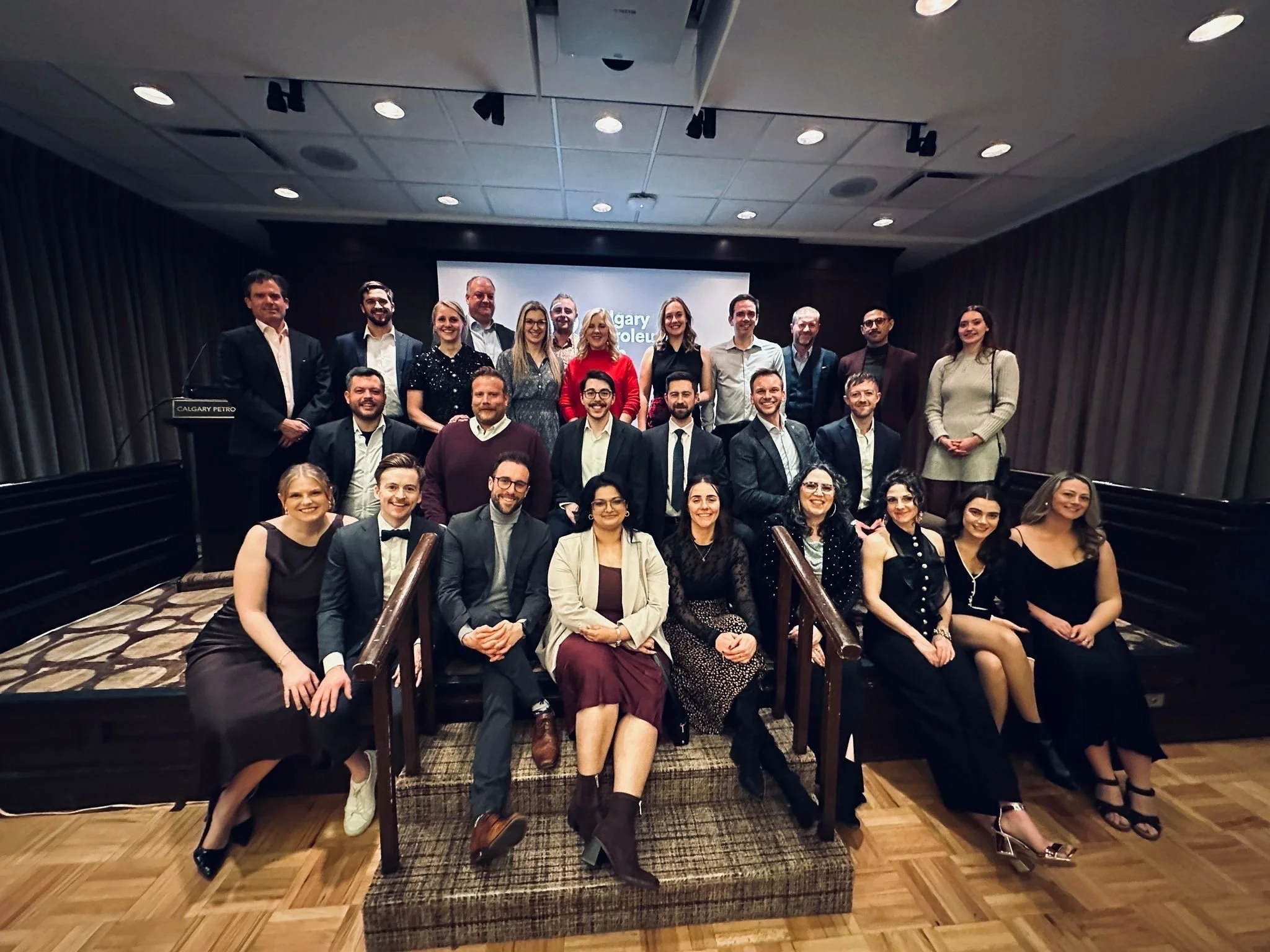
M3 Development Management Team Photo 2026 (Iain backrow, third from right)